
How to Choose the Right Athletic Accessories Supplier for Your Brand Successfully
In the competitive world of athletic apparel and accessories, selecting the right athletic accessories supplier can have a profound impact on your brand’s success. A dependable athletic accessories supplier not only provides quality products but also aligns with your brand values and meets your specific needs. This article will guide you through the essential aspects of selecting a supplier, ensuring that your brand stands out in a crowded marketplace.
1. Understanding Your Needs
Defining Athletic Accessories
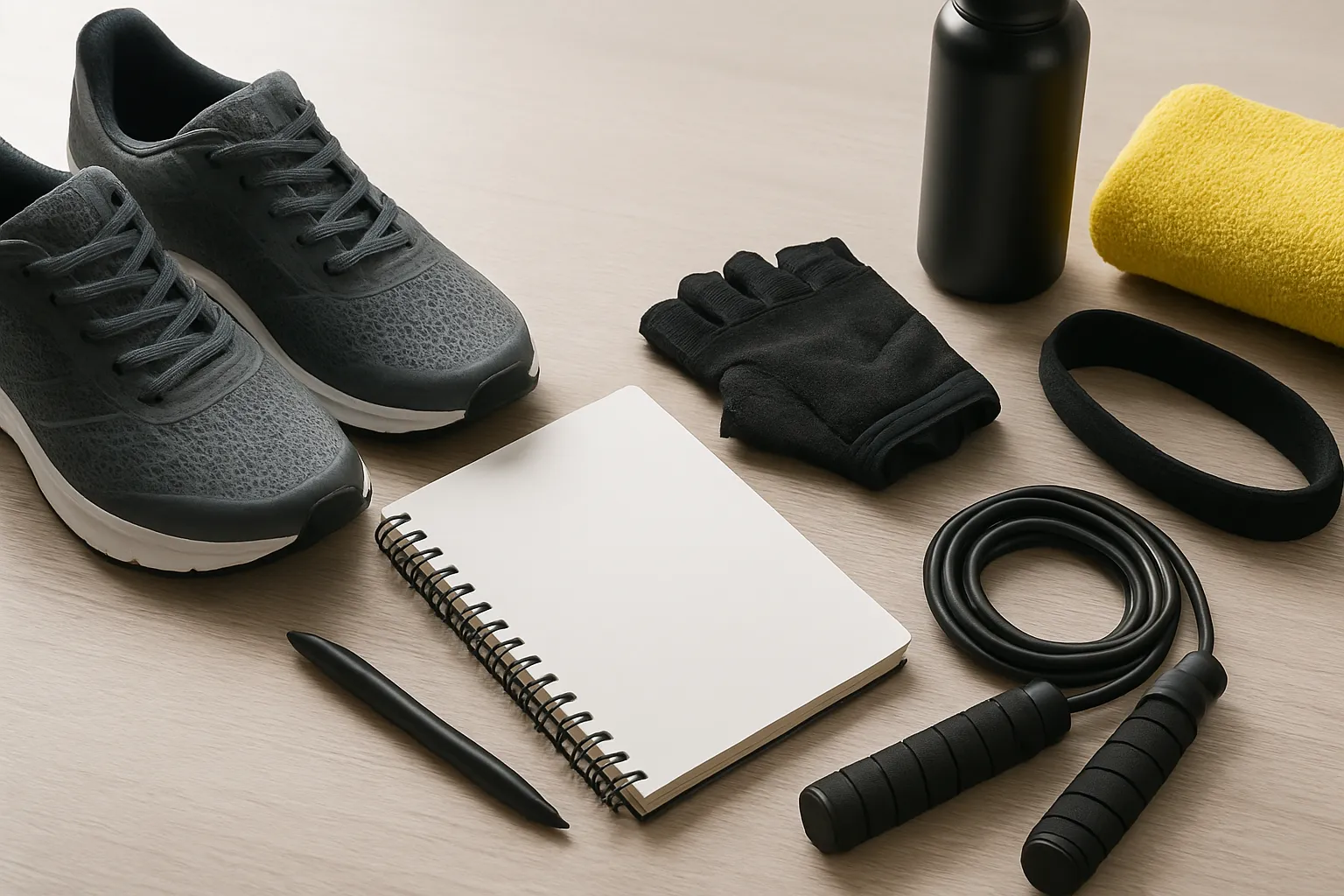
Athletic accessories encompass a wide range of products designed to enhance performance and comfort during physical activities. This category includes items such as sports bags, headbands, wristbands, socks, and other gear that athletes use to support their performance. Understanding the specific accessories that resonate with your brand’s philosophy and target audience is crucial for making informed decisions.
Identifying Your Brand Requirements
Before embarking on your search for an athletic accessories supplier, it’s essential to clearly define your brand’s requirements. Consider your target market, the types of athletes you aim to serve, and the overall aesthetic of your brand. Are you focusing on high-performance gear for professional athletes, or are you targeting casual fitness enthusiasts? Identifying these elements will help you communicate effectively with potential suppliers.
Setting Budget Constraints
Establishing a budget is a vital step in the supplier selection process. Determine how much you can allocate for sourcing athletic accessories without compromising on quality. While lower prices may seem attractive, they can lead to subpar products that tarnish your brand’s reputation. A well-defined budget will help you narrow down your options and avoid unnecessary expenses.
2. Researching Potential Suppliers
Evaluating Supplier Reputation
A supplier’s reputation can provide insights into their reliability and quality. Look for reviews, testimonials, and case studies from other businesses that have partnered with the supplier. A reputable athletic accessories supplier will have a track record of delivering quality products on time and maintaining good relationships with their clients.
Checking Industry Experience
Experience in the industry can be a significant advantage. Suppliers who have been in the athletic accessories market for several years are likely to have established relationships with material providers and a better understanding of market trends. Assess their portfolio and inquire about previous clients to gauge their level of expertise.
Analyzing Product Range
Evaluate the range of products offered by potential suppliers. A diverse product range allows for greater customization and the ability to meet varying customer demands. Ensure that the supplier can provide the specific accessories you need and is open to expanding their offerings as your brand grows.
3. Assessing Quality and Compliance
Quality Control Standards
Quality is paramount in athletic accessories. Investigate the supplier’s quality control processes to ensure that they adhere to industry standards. Ask about their testing methods and how they handle defective products. A supplier committed to quality will have stringent measures in place to guarantee that their products meet your expectations.
Certifications and Compliance
Compliance with industry regulations is essential, especially for products that will be used during physical activity. Check if the supplier holds relevant certifications that demonstrate their commitment to safety and quality. This may include certifications for materials used or adherence to environmental standards.
Material Sourcing Practices
The materials used in athletic accessories significantly affect performance and durability. Inquire about the supplier’s material sourcing practices to ensure they use high-quality, sustainable materials. A transparent supplier will be willing to share details about their sourcing processes, which can also enhance your brand’s story.
4. Customization and Flexibility
Options for Custom Apparel Manufacturing
Customization is a critical factor for many brands looking to differentiate themselves in the market. Evaluate the supplier’s capabilities in custom apparel manufacturing, including the variety of customization options available, such as colors, designs, and branding elements. The ability to create unique products can significantly enhance your brand’s identity.
Minimum Order Quantities
Understanding the supplier’s minimum order quantities (MOQs) is essential for planning your inventory and budget. Some suppliers may require large minimum orders, which can pose a challenge for smaller brands or those just starting. Look for suppliers that offer flexible MOQs to accommodate your needs.
Lead Times and Production Capacity
Lead times can affect your ability to launch new products and respond to market demands. Discuss the supplier’s production capacity and average lead times for orders. A reliable supplier should provide realistic timelines and be able to scale production based on your needs.
5. Pricing and Payment Terms
Comparing Pricing Models
Pricing can vary significantly between suppliers. It’s essential to compare pricing models, including wholesale prices, bulk discounts, and payment terms. Ensure that you understand what is included in the price, such as shipping and customization costs, to avoid any surprises later.
Understanding Payment Options
Different suppliers offer various payment options, including upfront payments, payment upon delivery, or installment plans. Choose a supplier whose payment terms align with your cash flow and financial strategy. Clear payment terms can also help build a trusting relationship with your supplier.
Hidden Costs to Consider
Be aware of potential hidden costs that can arise during the procurement process. These may include shipping fees, taxes, and additional charges for customization or rush orders. A transparent supplier will provide a comprehensive breakdown of all costs involved, allowing you to budget effectively.
6. Communication and Support
Evaluating Customer Service
Strong customer service is critical when working with an athletic accessories supplier. Assess how responsive and helpful the supplier is during your initial interactions. A supplier that prioritizes customer service will be more likely to address your concerns and provide support throughout the partnership.
Importance of Clear Communication
Clear communication is essential for a successful supplier relationship. Ensure that the supplier can communicate effectively in your preferred language and is open to discussing your needs and expectations. A supplier that values communication will help prevent misunderstandings and foster a positive working relationship.
After-Sales Support
After-sales support is an often-overlooked aspect of supplier relationships. Inquire about the supplier’s policies on returns, exchanges, and warranty claims. A supplier that offers robust after-sales support will help you manage any issues that arise post-purchase, ensuring customer satisfaction and loyalty.
7. Logistics and Delivery
Shipping Options and Costs
Understanding the shipping options available is crucial for managing your supply chain effectively. Discuss the shipping methods the supplier offers, their associated costs, and any potential delays. A supplier that provides multiple shipping options can help you balance cost and speed based on your needs.
Delivery Timelines
Timely delivery is vital for maintaining your brand’s reputation. Ensure that the supplier can meet your delivery timelines, especially during peak seasons or promotional events. A reliable supplier will have a proven track record of on-time deliveries.
Handling Returns and Exchanges
Inevitably, there may be instances where products need to be returned or exchanged. Discuss the supplier’s policies on handling returns and exchanges to ensure a smooth process. A supplier with flexible return policies can save you time and money in the long run.
8. FAQs
Common Questions About Suppliers
When selecting an athletic accessories supplier, common questions arise, such as: What are the lead times? What customization options are available? Understanding these FAQs can help streamline your decision-making process.
Tips for First-Time Buyers
For first-time buyers, it’s essential to conduct thorough research, ask for samples, and seek referrals from other businesses. This due diligence can help you avoid pitfalls and choose a supplier that aligns with your brand’s vision.
Resources for Further Research
Utilize online resources, industry forums, and trade shows to gather more information about potential suppliers. Networking with other brands and industry experts can provide valuable insights and recommendations.
Conclusion
In my experience, choosing the right athletic accessories supplier is a critical decision that can shape the future of your brand. By understanding your needs, conducting thorough research, assessing quality, and evaluating communication and support, you can find a supplier that not only meets your requirements but also enhances your brand’s reputation. Take the time to explore your options, and you’ll be well on your way to building a successful partnership that drives your brand forward.